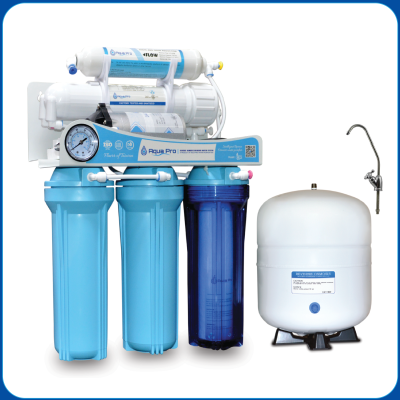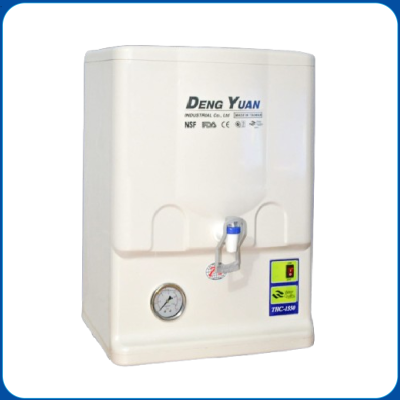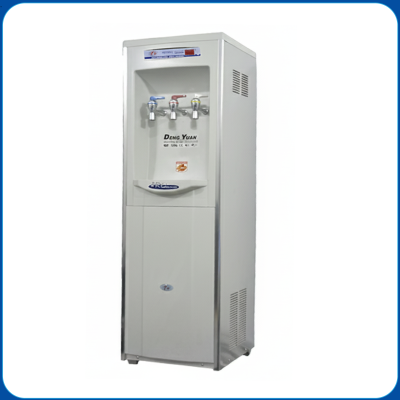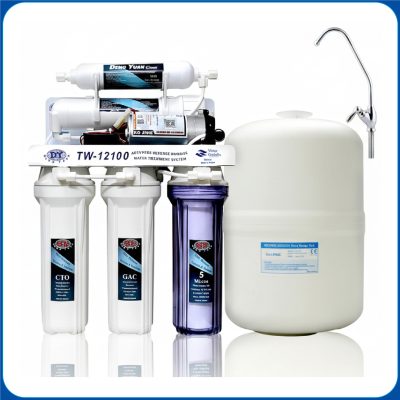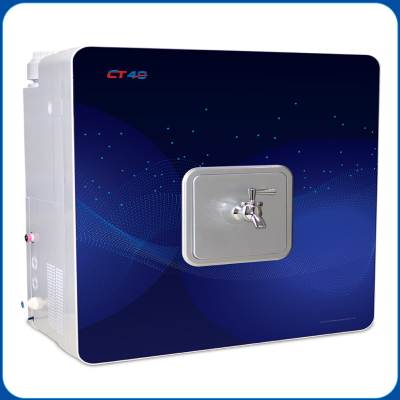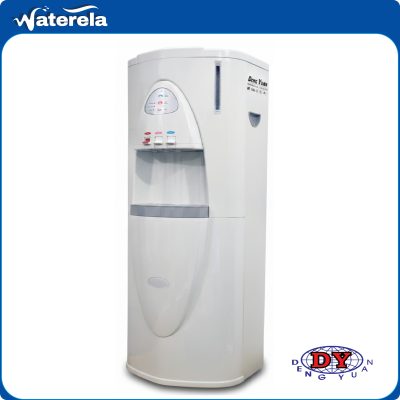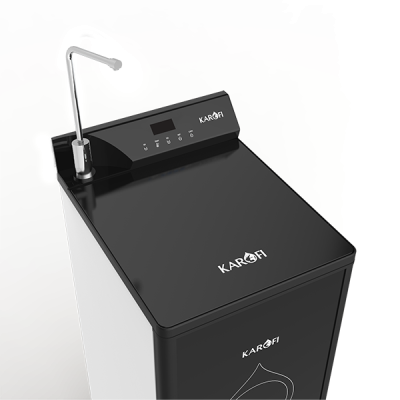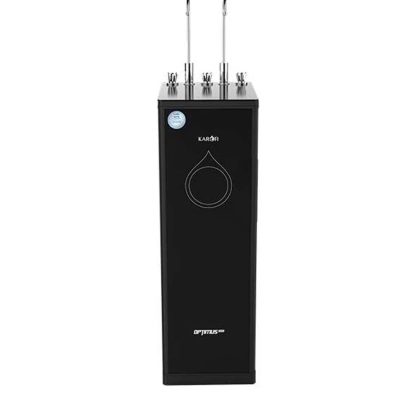

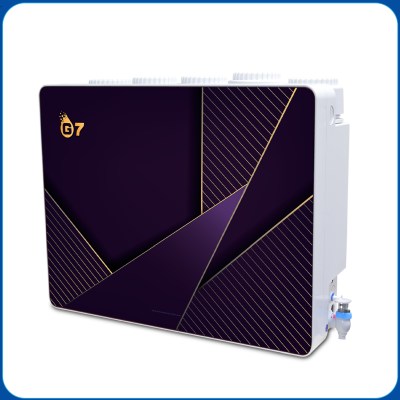
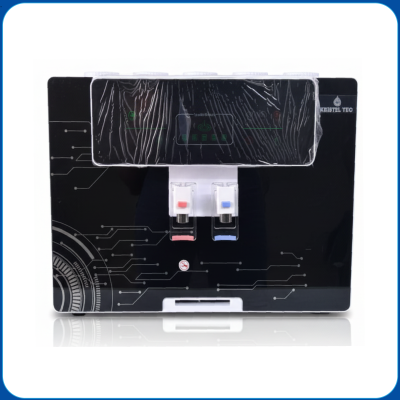

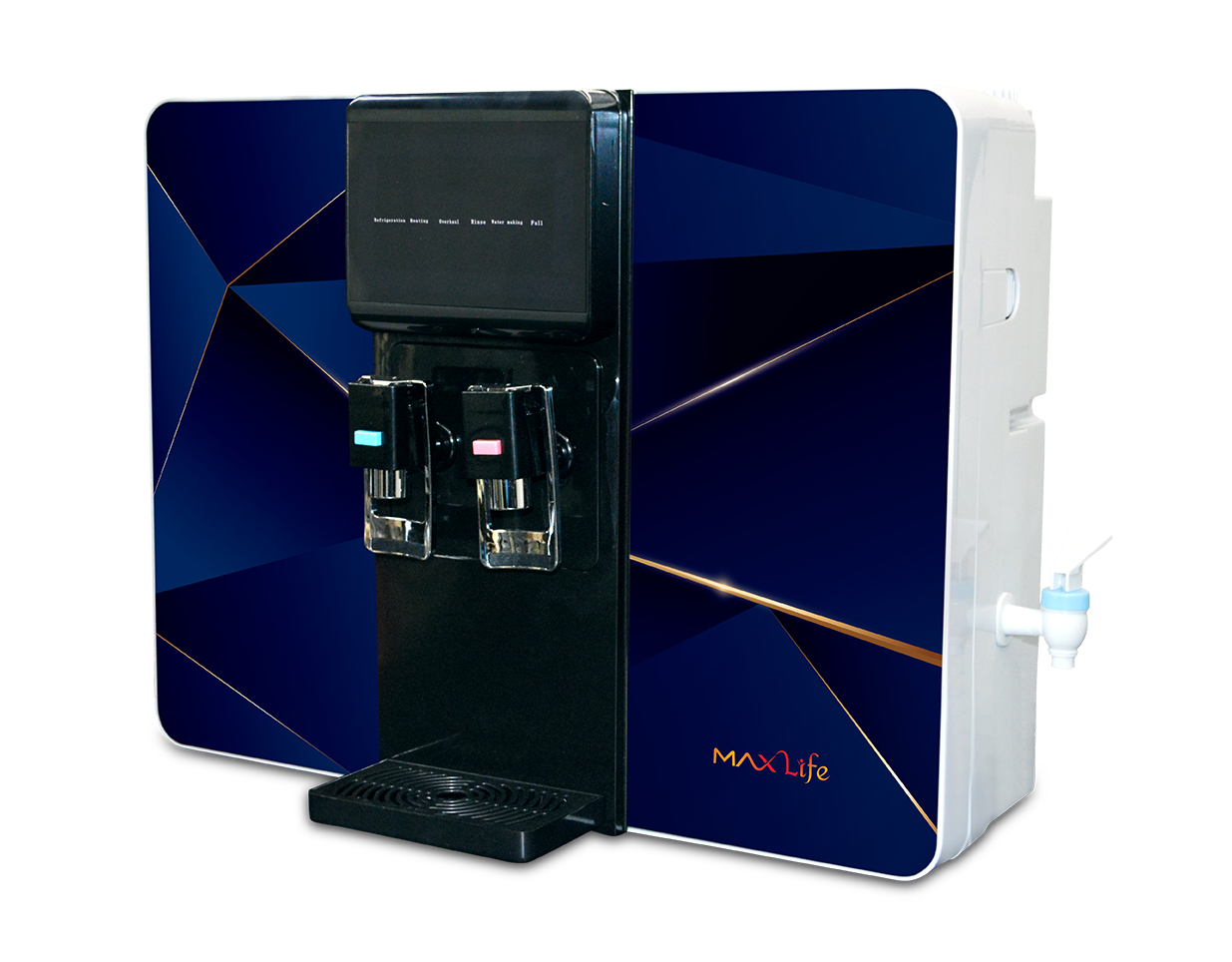
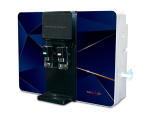
Heron Max Life Hot & Cold Water Purifier Machine
Original price was: 18,500৳ .16,500৳ Current price is: 16,500৳ .
RO WATER PURIFIER
Brand: Heron
Model: Max Life
Origin : China
Color: Red/Black
Filter capacity: 12 Ltr Per hour
Maximum tank capacity: 5/7 Ltr Tank
Capacity: 75 GPD
Dimension: 42.3×33.4×95 cm
Guaranty: 1 Year Full Electric Parts Free Delivery & installation
Heron Max Life Hot & Cold Water Purifier Machine
The Heron Max Life RO Water Purifier is a high-quality Reverse Osmosis (RO) system designed for domestic use. It features a 5-stage filtration system that ensures clean, safe, and great-tasting water.
Key Features & Specifications
Filtration Stages ( 5 ):
Purification Stages ( 5 )
1st Stage: 1 Micron Sediment (PP)A polypropylene (PP)A 1-micron sediment filter removes extremely fine particles like dirt, rust, sand, and even some bacteria/protozoa (like E. coli, Giardia) from water, using a dense filter media (often spun polypropylene/PP) to provide very clear, safe drinking water, commonly used as a pre-filter in RO systems to protect finer filters from clogging
What it is
Micron: A unit of measurement, one-millionth of a meter (0.000039 inches).
Sediment: Unwanted suspended particles in water (dirt, sand, rust, silt).
Filter: A physical barrier, often made of spun polypropylene (PP), that traps these particles.
What it does
Removes fine particles: Traps particles as small as 1 micron, significantly improving water clarity.
Protects other filters: Placed before carbon filters or RO membranes to prevent them from clogging quickly, extending their life.
Reduces pathogens: Can effectively remove larger microorganisms like bacteria and protozoa (e.g., E. coli, Giardia).
2nd Stage: Carbon (OCB/UDF) A UDF (Uniform Distribution Function) carbon filter is typically synonymous with a GAC (Granular Activated Carbon) filter. UDF is essentially a marketing or manufacturing term for a GAC cartridge designed to ensure even water flow through the carbon media, maximizing contact time and efficiency.
Key functions and features:
Contaminant Removal: These filters are highly effective at removing chlorine, bad tastes, odors, organic chemicals, and various industrial pollutants from water [1].
Media: They utilize granular activated carbon, which has a large surface area for adsorption of contaminants.
Application: They are commonly used as pre-filters in reverse osmosis systems, under-sink water filters, and whole-house filtration systems.
Benefit: The UDF design aims to prevent channeling (water bypassing some of the media), which is a potential issue with traditional GAC filters.
3rd Stage: Carbon ( CTO ) CTO Chlorine, Taste, and Odor. In the context of water filtration, CTO stands for Chlorine, Taste, and Odor. A carbon CTO filter is an activated carbon block designed specifically to reduce these aesthetic impurities, ensuring water is clearer and more palatable
Key Functions and Features
Contaminant Removal: Effectively reduces chlorine (up to 99%), organic chemicals (VOCs), pesticides, herbicides, and unpleasant odors or tastes.
Physical Structure: Unlike Granular Activated Carbon (GAC) which contains loose granules, CTO filters are carbon blocks—finely ground carbon compressed into a solid, uniform cylinder. This structure provides a larger surface area for better adsorption and prevents the release of “carbon fines” (black dust) into the water.
Micron Rating: Typically rated at 5 to 10 microns, which also allows them to act as a secondary sediment filter for fine particles like rust and silt.
Usage: They are standard in residential and commercial Reverse Osmosis (RO) systems, usually serving as the 2nd or 3rd stage pre-filter to protect the delicate RO membrane
Specifications and Maintenance
Lifespan: Most manufacturers recommend replacing the filter every 6 to 12 months, or after filtering approximately 2,500 to 5,000 gallons (depending on water quality).
Standard Sizes: Most common in 10-inch and 20-inch lengths to fit standard water filter housings.
Installation: Filters are often wrapped for freshness; they must be unwrapped before installation. New filters should be flushed for a few minutes until the water runs clear.
4th Stage: RO Element (Membrane-1 Pcs) An RO (Reverse Osmosis) membrane is a crucial, semi-permeable filter in water purification systems that uses pressure to push water through microscopic pores, blocking contaminants like salts, minerals, bacteria, viruses, and chemicals, leaving behind purified water (permeate) and rejecting impurities as wastewater. Made of thin layers, including a polyester base and a polyamide barrier, it effectively reduces Total Dissolved Solids (TDS) and is essential for producing high-quality drinking water, though it needs pre-filtration (sediment/carbon filters) for optimal performance and longevity
How it works
Pressure-driven filtration: Pressurized water is forced against the membrane.
Selective barrier: Tiny pores (around 0.0001 microns) allow water molecules to pass but stop larger contaminants.
Separation: Purified water (permeate) exits one way, while concentrated impurities (reject water) are flushed out the other.
What it removes
Dissolved Solids: Salts, heavy metals (lead, mercury, cadmium), minerals (calcium, sodium).
Microorganisms: Bacteria, viruses, cysts.
Chemicals: Pesticides, chlorine by-products (when combined with carbon filters).
Key components
Thin Film Composite (TFC): The actual filtering layer, typically polyamide, that blocks contaminants.
Support Layers: Polyester and Polysulfone layers provide strength and structure.
Importance of pre-filtration
Extends life: Sediment and carbon filters catch larger particles and chlorine, preventing the delicate RO membrane from clogging (fouling) and degrading.
Improves efficiency: Keeps the membrane clean for maximum water flow and rejection rates.
5th Stage: Test And Oder/Post Carbon(T-33) Purpose: The T33 filter removes residual impurities after the main filtration process, acting as a final stage or “polishing” filter.
Water Connection Size: 10mm Food Grade White Color PVC Pipe
Operating Power: 220V (DC-24V 1.5mA)36 Watt,Hot-300W Cold,12V 5mA
Certifications: SASO, ISO14001, ISO9001, Water Quality
CE, TCS, HWO
Storage Capacity: 10-12 liters TDS Reduction: Up to 95%
Installation: wall mounted Comprehensive purification through multiple filtration stages
Enhances taste by removing odors and reintroducing minerals
Smart features for easy maintenance
Energy efficient with low noise operation